The Free Spin Illusion: Why Demo Pokies Teach You All the Wrong Lessons
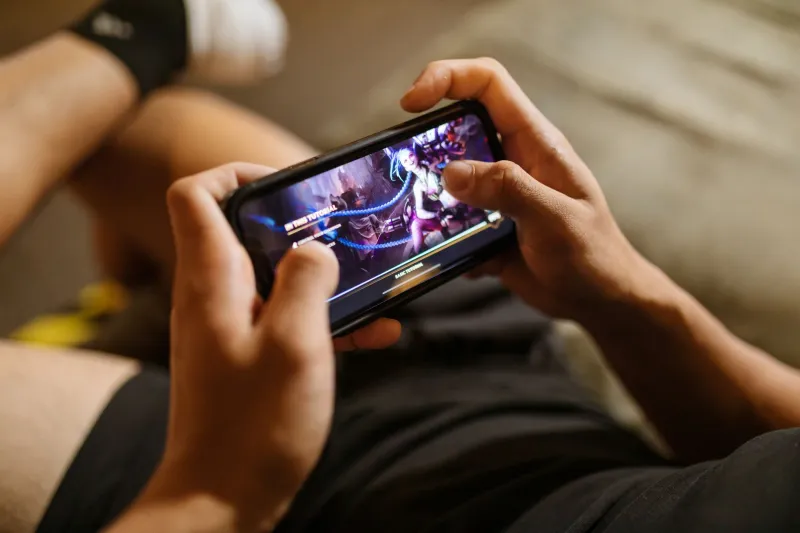
Demo mode is one of the better inventions in online pokies. You can open almost any title, spin for an hour, and close the tab without a cent leaving your account. Plenty of Aussie players treat it like a lap around the block before the real drive — a way to learn the symbols, see what the bonus round looks like, and work out whether a game is worth your time.
That's all fair enough. The problem is that a demo session doesn't just teach you the game. It teaches you to feel relaxed about it. And relaxed is precisely the state you won't be in once those credits on screen become money you actually earned.
What demo mode honestly gets right
Give credit where it's due: a demo game runs on the same maths as the paid version. The return-to-player figure doesn't change, the volatility doesn't change, and the bonus features trigger about as often. So if you want to know whether a pokie is a slow grind with rare spikes or a constant drip of small wins, a few hundred free spins will tell you more than any review ever could.
Learning the paytable on free credits is genuinely smart. So is checking how a game's feature buy works, what a max-win cap looks like, and whether the base game puts you to sleep. That's research, and research should be free.
The two things a free spin can't teach you
Strip the money out and you strip out consequence — and consequence is the whole game.
First, there's loss aversion. Losing 8,000 play credits is a minor inconvenience you fix with a button. Losing $80 of your own money does something to your gut. Your thinking narrows, and suddenly you're making decisions based on how you feel rather than what you planned. No demo can rehearse that, because the stakes simply aren't there.
Second, there's bankroll reality. In demo mode the balance can't really run out. Run dry and you top up instantly — no card, no transfer, no pause. So you never practise the boring, essential skill of a real session: pacing a fixed amount of money across a set period of time and walking away when it's gone.
The warm-up act problem
Here's where it gets sneaky. Players often use demo play as a warm-up, then switch to real money and assume they're carrying their form across. But your brain doesn't file those two activities separately. You spin at a $2 stake in demo because the number meant nothing, then open the real game and the same $2 is sitting there as the default. You stay on for two hours because in demo you'd never once felt the urge to leave.
Free play builds familiarity without building judgement. And familiarity is the thing that makes a first real deposit feel like a small step rather than a decision.
What demos are genuinely good for
- Learning a paytable, the scatter rules and how free spins actually pay
- Feeling out volatility — is the base game dead, or a constant trickle?
- Comparing two games you're considering spending on
- Reading the fine print on max win caps and bet-level restrictions before you learn it the hard way
What they're useless for: testing whether you'll stick to a budget, practising stopping, or finding out how you handle a losing run.
A reality reset before your first paid spin
If you're moving from demo to real money, run a short checklist first.
Decide your session budget before you open anything — not while a free-spin countdown is ticking. Set a deposit limit with the operator so that decision is already made for you. Choose your real stake based on your budget, not the number you were clicking at random in the demo. Then do ten paid spins, notice how it actually feels when the credits are money, and stop. That ten-spin test tells you more about your own temperament than an hour of free play ever will.
Treat demos as a manual rather than a rehearsal. Read them, learn from them, and then approach your first paid session like the real thing it is.
If gambling is becoming hard to manage, support is available any time on 1800 858 858, and BetStop lets you self-exclude from every licensed Australian operator in one go.