Lost in Translation at the Tables? Your Complete Guide to Aussie Casino Lingo
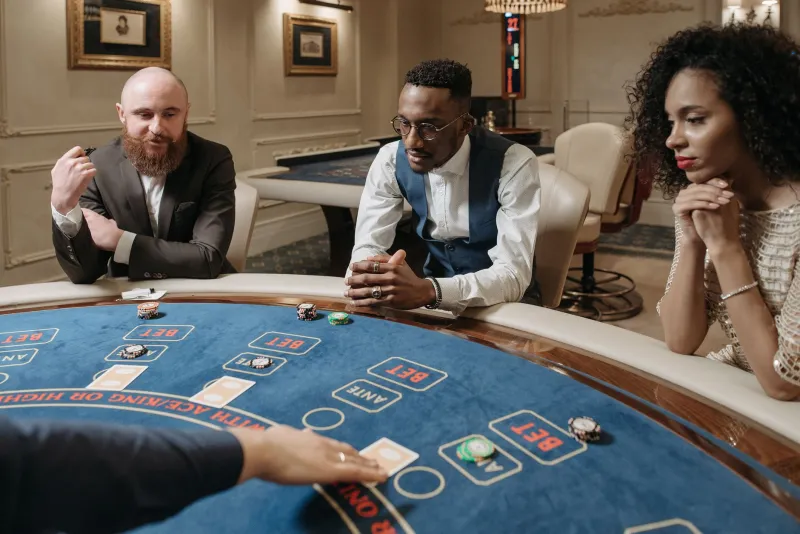
Walk into any Australian casino — online or land-based — and you'll quickly notice something. Players talk in shorthand. Dealers drop terms you've never heard in your life. The bloke next to you at the pokies mutters something about "going on tilt" and everyone around him nods knowingly.
It's not exclusive. It's just culture. And like any subculture, once you crack the code, everything clicks into place.
This guide breaks down the real language of Australian casino gaming — the phrases, the slang, the table-specific jargon — so you can walk into any session feeling confident rather than confused.
Pokie-Specific Lingo: The Vocabulary of Australia's Favourite Machine
Pokies aren't just a game in Australia — they're practically a national institution. So it makes sense they've developed their own dialect.
Pokies — You probably already know this one, but it's worth acknowledging: this is uniquely Australian and New Zealand slang for poker machines or slot machines. Say "slots" and people will know what you mean, but "pokies" is the local way.
Chasing — When a player keeps feeding the machine after a losing run, hoping to "win back" what they've lost. You'll hear someone say "he's just chasing" as a quiet warning sign. It's not a compliment.
Nudge — In older mechanical pokies, a nudge let you manually move a reel down one position after a spin. In modern usage, players sometimes still say they're "waiting for a nudge" when a winning combination is tantalisingly close.
Feature — Short for bonus feature. When a player says "I haven't hit a feature all night," they mean the machine hasn't triggered its bonus round. Hitting a feature is basically the moment everyone's waiting for.
Cold machine / Hot machine — Completely mythological, but deeply embedded in casino culture. A "cold" machine hasn't paid out in a while; a "hot" one supposedly has. Neither label actually predicts future results — each spin is independent — but you'll hear these terms constantly.
Max bet — Playing at the highest possible stake per spin. Some players swear by it because certain bonus features only trigger at maximum bet. Others think it burns through your bankroll too fast. It's a genuine debate.
Table Game Talk: What the Dealers and Regulars Are Actually Saying
Table games have a more formalised vocabulary, partly because many terms come from the original European and American casino traditions. But Aussie players have added their own flavour.
Punter — A classic Australian term for anyone placing a bet. It's used affectionately across all forms of gambling, from the races to the casino floor. If someone calls you a punter, they're simply acknowledging you as a fellow player.
Going hard — Betting aggressively, usually above your normal stakes. "He was going hard on the blackjack table all night" means someone was betting big.
Bust — In blackjack, going over 21. Simple enough, but the phrase bleeds into general casino conversation too. "I busted early" can mean you lost your session bankroll faster than expected.
Shoe — The plastic device that holds multiple decks of cards in blackjack or baccarat. "New shoe" means fresh decks are being loaded. Some superstitious players love a new shoe; others dread it.
Natural — A two-card hand that hits the target immediately. In blackjack, a natural 21 (an ace plus a ten-value card) pays out at better odds. In baccarat, a natural 8 or 9 on the first two cards is the best possible start.
Comp — Short for complimentary. Casinos offer comps — free meals, credits, hotel rooms — to regular or high-value players. "Did you get comped?" means did the casino throw you a freebie.
Whale — A very high-stakes player. Not a term players usually apply to themselves, but you'll hear staff and other players use it. The casino equivalent of a VIP.
General Floor Slang: The Stuff Everyone Says
Beyond game-specific terms, there's a whole layer of general casino language that applies everywhere.
Tilt — Borrowed from poker but now used broadly. When a player is "on tilt," they've let emotions take over their decision-making — usually frustration after a bad run. It leads to reckless bets and poor choices. Recognising tilt in yourself is actually one of the most important skills a player can develop.
Grind — Playing steadily over a long session, often at low stakes. A "grinder" is patient, methodical, and not chasing big wins — just accumulating small ones. It's generally used respectfully.
Variance — This one's borrowed from mathematics, but regular players use it casually. "Just variance" is what experienced players say when results swing wildly in either direction. It's an acknowledgment that short-term results don't reflect the true odds.
Bankroll — Your total gambling funds. Not just what's in front of you, but your overall budget for gaming. "Managing your bankroll" is the foundation of responsible play.
Fish — A weak or inexperienced player, usually at poker. It's not particularly kind, but it's widely used. If someone at a poker table calls you a fish, they think they have an edge on you.
Rake — The commission a casino takes from each poker pot. It's how the house makes money on poker, since they're not playing against you directly.
Online Casino Extensions: Lingo That's Evolved for the Digital Game
Australian online casino players have added a few modern terms to the mix.
Lobby — The main page of an online casino where all games are listed. "Browsing the lobby" just means looking at what's available.
RTP — Return to Player, expressed as a percentage. An RTP of 96% means the game theoretically pays back $96 for every $100 wagered over time. Players use this to compare games.
Wagering requirements — The conditions attached to bonuses. If a bonus comes with 30x wagering requirements, you need to bet the bonus amount 30 times before you can withdraw winnings. This term has become essential vocabulary for any online player.
Live dealer — A format where real human dealers run the game via video stream. "Playing live" means you're at a live dealer table rather than a software-generated one.
Why Knowing the Language Actually Matters
This isn't just trivia. Understanding casino terminology has real, practical value.
When you know what "variance" means, you stop panicking during a cold run. When you understand "wagering requirements," you don't get caught out by a bonus that looked generous but wasn't. When you recognise the signs of someone "chasing" or "on tilt," you can spot those patterns in yourself before they cost you.
Language shapes how we think about things. The more fluent you become in casino culture, the more clearly you can think about what's actually happening — and the better decisions you'll make as a player.
So next time someone at the pokies mutters about hitting a feature or a dealer announces a new shoe, you'll know exactly what's going on. Welcome to the conversation.