Built to Keep You There: The Hidden Architecture Working Against You Every Time You Walk Into a Casino
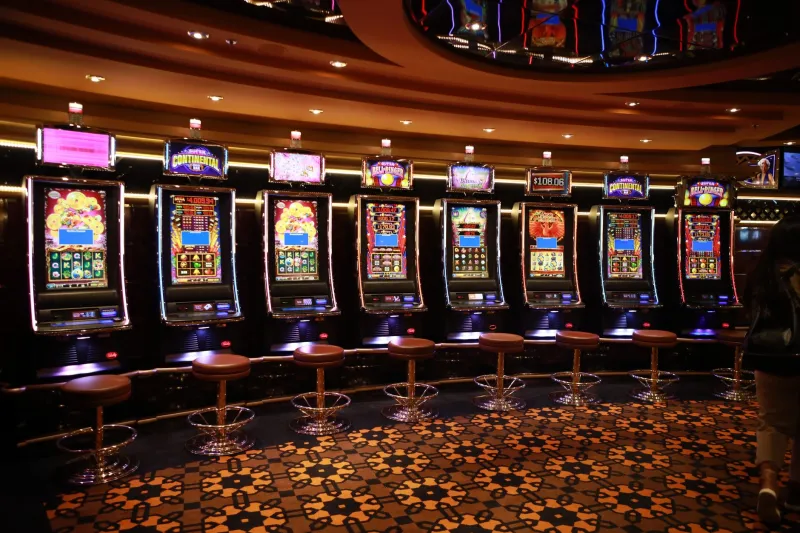
Walk into any major Australian casino — Crown Melbourne, The Star Sydney, Treasury Brisbane — and something feels off in a way you can't quite name. There are no windows. You can't easily find the exit. The noise is constant but somehow not annoying. And despite telling yourself you'd only stay an hour, it's suddenly been three.
That's not an accident. Not even close.
Casino design is one of the most studied, refined, and deliberately manipulative fields in commercial architecture. Every element you experience — the lighting, the sounds, the layout, even the smell — has been engineered with a single goal: to extend your session time. And the longer you play, the more the house edge grinds you down.
As an Aussie player who wants to stay sharp and protect their bankroll, understanding these tactics isn't paranoia. It's just smart.
The Clock Has Left the Building
Let's start with the most obvious trick: there are no clocks in casinos. You won't find them on the walls, and you won't find natural light streaming through windows either. This is intentional. Without external time cues, your internal sense of how long you've been playing becomes genuinely unreliable.
Research into time perception consistently shows that people in windowless, artificially lit environments underestimate how much time has passed — sometimes dramatically. A two-hour session can feel like forty minutes. That distortion is worth real money to the house.
The fix is embarrassingly simple: wear a watch. Set a phone alarm before you sit down. Give yourself a hard stop time before you even enter the building. It sounds basic because it is, but it works.
Lighting That Flatters the Machines, Not You
Casino lighting design is a whole sub-industry. The goal isn't to make the space look good in a general sense — it's to draw your eye toward the gaming floor and make everything else recede.
Pokie machines and table games are lit to be visually dominant. Bright, warm, inviting. The surrounding areas — walkways, exits, food courts — are comparatively dim and less stimulating. Your brain, wired to follow visual interest, keeps pulling you back toward the action.
There's also evidence that specific lighting temperatures affect mood and arousal levels. Warmer lighting tends to create feelings of comfort and relaxation, reducing the urgency to leave. It's the same principle restaurants use to make you linger over dessert — just applied to a very different kind of spend.
The Floor Was Never Just a Floor
Casino carpet is genuinely strange. Loud, busy, almost aggressively patterned. If you've ever wondered why a place that can afford marble floors is covered in something that looks like a migraine, here's the answer: the visual chaos keeps your eyes up.
Glancing down at a complex, disorienting pattern is uncomfortable. So you look straight ahead — which keeps your attention on the gaming floor rather than, say, navigating toward the exit. Some design theorists also argue the busy patterns mask wear and make the space feel cleaner and more active than it might otherwise appear.
It's a small thing. But small things add up.
Sound Design: The Invisible Pressure
The soundscape of a casino floor is carefully curated. The celebratory jingles from pokies when someone wins are deliberately loud and frequent — you're meant to hear them even when you're not the one winning. This triggers something called vicarious reinforcement, where your brain registers the reward signal even though it didn't actually receive the reward.
The ambient noise level is also calibrated. Too quiet and the space feels tense and exposed. Too loud and it becomes fatiguing. The sweet spot is a constant hum of activity that feels energising without being overwhelming — a state that's been linked to increased risk tolerance and reduced inhibition.
Background music, where it's used, tends toward tempos that subtly match elevated heart rates. This isn't accidental either.
Temperature, Air Quality, and the Oxygen Myth
You've probably heard the claim that casinos pump extra oxygen through their ventilation systems to keep players alert and spending. The good news: that specific claim is largely an urban legend with no solid evidence behind it.
The less comforting news: ventilation and temperature are absolutely manipulated, just in more mundane ways. Casino floors tend to run slightly cool — cool enough to prevent drowsiness, but not so cold that you feel uncomfortable. The air circulation is designed to prevent the stuffiness that would naturally make you want to step outside for fresh air.
That break outside? That's a risk for the casino. Every time you step out, you have a chance to reassess, check the time, remember you were only going to stay an hour. The environment is designed to reduce the number of natural pause points that might prompt you to leave.
The Maze That Isn't Quite a Maze
Classic casino design theory, popularised by designer Bill Friedman in the 1990s, deliberately created labyrinthine layouts where exits were hard to find and every path led back through the gaming floor. You'd need to pass the pokies to get to the bathroom, the restaurant, the exit.
More recent design philosophy has moved toward slightly more open layouts — but don't mistake that for player-friendliness. The newer approach, sometimes called the "playground" model, simply makes the environment more comfortable and less claustrophobic, which keeps people there longer without the frustration of feeling trapped.
Either way, the exits are rarely where you'd intuitively expect them to be. Know where they are before you start playing.
What You Can Actually Do About It
Knowing these tactics exist is the first and most important step — awareness genuinely does reduce their effectiveness. But here are some practical moves that Aussie players swear by:
Set a hard time limit before you enter. Not a rough idea — an actual alarm on your phone. When it goes off, you leave. Full stop.
Take regular breaks outside. Step out every hour or so, even briefly. Fresh air, natural light, and a change of environment all help reset your sense of time and recalibrate your decision-making.
Eat and drink on your schedule, not the casino's. Free drinks and cheap buffets are there to keep you on the floor. Eat before you go, stay hydrated with water, and don't let hunger or thirst become reasons to stay.
Play online when you want control over your environment. One significant advantage of a reputable Australian online casino is that you're in your own space, with your own clocks, your own lighting, and no ambient pressure keeping you at the screen. Your environment is entirely within your control.
Stick to a session budget. Environmental manipulation works best when you're not anchored to specific financial limits. A clear bankroll cap — decided in advance — gives you a concrete reason to stop that doesn't depend on how you feel in the moment.
The Bottom Line
Casinos are brilliant at what they do. The design work that goes into these spaces represents decades of refinement and millions in research. You're not going to outthink the architecture by willpower alone.
But you don't need to. You just need to walk in with your eyes open, know what's being done to your perception of time and space, and have a plan that doesn't depend on your in-the-moment judgment. The house has the edge on the games — don't hand it a second edge by letting the building work against you too.