Mapped Against You: The Sneaky Science Behind How Casino Spaces Are Designed to Keep You Spending
You walk in for a couple of hours. Three hours later, you're still there, vaguely aware that you meant to leave ages ago but somehow never quite made it to the door. Sound familiar? Don't be too hard on yourself. The casino didn't just get lucky — it was built for exactly this outcome.
The design of gambling venues, both physical and digital, is one of the most sophisticated applications of environmental psychology you'll encounter in everyday life. Every decision, from where the toilets sit to how the lighting shifts across the floor, has been made with a single goal in mind: keeping you in your seat and your money in play.
Let's pull the blueprint apart.
The Maze Isn't an Accident
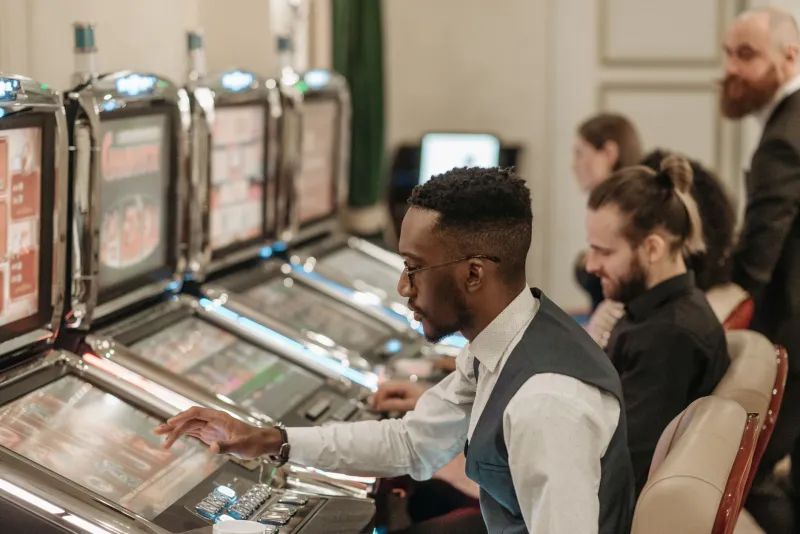
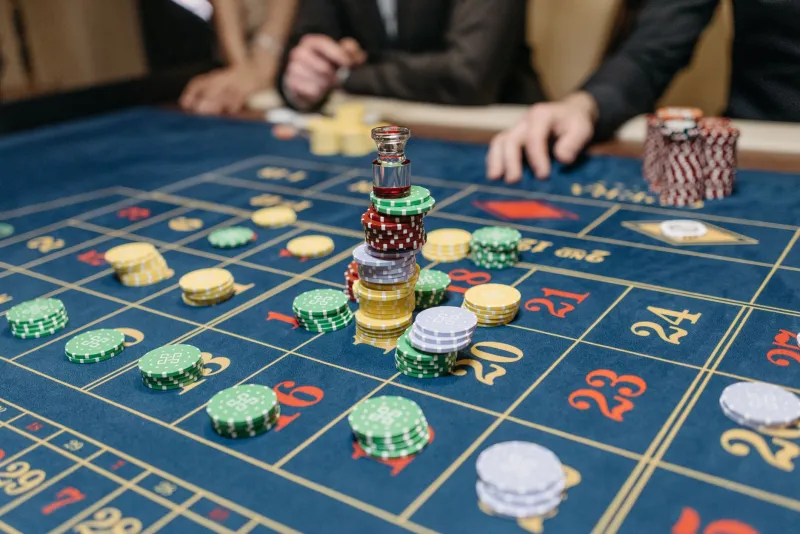
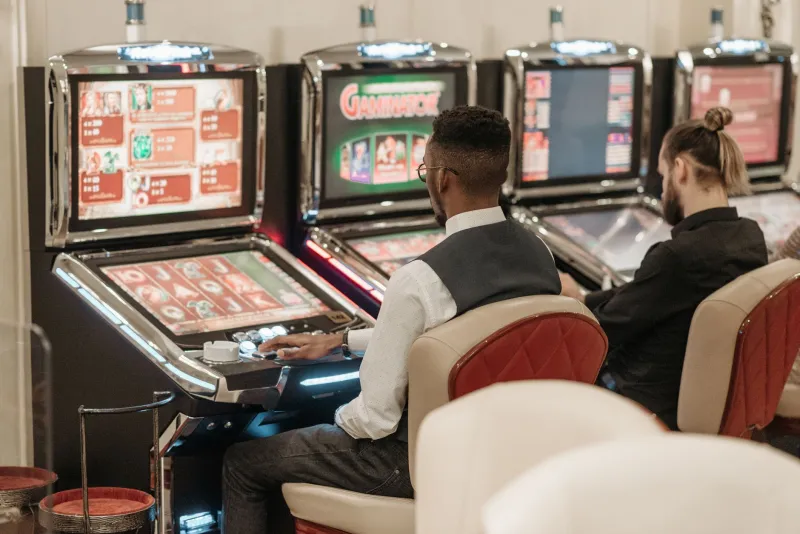
Walk into any major Australian casino — Crown Melbourne, The Star in Sydney, Jupiters on the Gold Coast — and try to walk in a straight line to the exit. You can't. The floor plans of these venues are deliberately non-linear, built more like a labyrinth than a building. Pokies machines cluster in winding rows, table games sprawl across irregular zones, and sightlines are broken up with pillars, partitions, and decorative features.
This is sometimes called the "playground model" of casino design, a concept that replaced the older "maze model" in the 1990s but retained its core principle: disorient people enough that leaving requires a conscious, deliberate effort. When you're mid-session and not thinking clearly, that extra friction is enough to keep you planted.
The absence of clocks and natural light is the most famous element of this approach, and it remains standard practice. Without visual cues about the passage of time, your internal sense of how long you've been there dissolves. An hour feels like twenty minutes. Three hours feels like one.
ATMs and Cashpoints: Placed With Purpose
Here's one that catches a lot of people off guard. The placement of ATMs inside Australian casino venues is not random. They're positioned deep within the gaming floor, not near the entrance. To access more cash, you have to walk back through the action — past the pokies, past the tables, past everything designed to pull your attention back in.
Some venues take it further by positioning ATMs adjacent to high-traffic gaming areas, so the decision to withdraw more money happens right next to the machines you were just playing. The friction between "I should stop" and "I'll just grab some more cash" is reduced to almost nothing.
For players trying to stick to a budget, this is genuinely dangerous territory. One practical counter-move: decide your session budget before you arrive, withdraw only that amount, and leave your card in your car or at home. Removing the option removes the temptation.
Bathrooms, Bars, and the Art of the Detour
Think about where the amenities are in most large Australian gaming venues. The bar is typically central — not on the edge where you might drift toward an exit, but anchored in the middle of the action. Getting a drink means passing machines. The bathrooms follow a similar logic: accessible, but rarely near an exit.
This creates what designers call "engagement loops." Every time you need something — a drink, a toilet break, even just to stretch your legs — you pass through the gaming floor again. Each pass is another opportunity to sit back down, try a different machine, or join a table game you'd previously walked past.
The bar placement also serves a secondary function. Alcohol lowers inhibition and clouds financial judgment. Having it front and centre on the floor, often with complimentary drinks for active players, is not hospitality — it's strategy.
Sound, Light, and the Invisible Pressure
The sensory environment inside a casino is calibrated just as carefully as the physical layout. Pokies machines are tuned to emit sounds in a specific frequency range that triggers mild excitement responses. Near-miss sounds — the almost-win jingle — are designed to feel more rewarding than a simple loss, keeping engagement high even when you're not actually winning.
Lighting in gaming areas is typically warm and slightly dim. Not dark enough to feel uncomfortable, but dim enough to reduce alertness. Bright overhead lights are kept for restaurants and exits — spaces where the casino wants you to feel refreshed and oriented, not zoned in.
The overall effect is a kind of sensory bubble. Inside it, external reality — your plans for the evening, your budget, the time — fades into the background.
Online Casinos Are Playing the Same Game
If you think switching to online play removes you from this kind of manipulation, think again. The best online casino interfaces are built using the same principles, just translated into UX design.
Autoplay features are the digital equivalent of a comfortable chair: they reduce the active decision to keep playing to zero, letting sessions extend far beyond what a player would choose if they had to click for every spin. Game lobbies are designed to surface high-engagement titles first — not necessarily the ones with the best odds, but the ones most likely to hold attention.
Notification systems nudge dormant players back in with bonus offers timed to periods of vulnerability. Deposit flows are streamlined to remove friction, while withdrawal processes often involve additional steps and waiting periods — asymmetry that's been deliberately engineered.
At AU Casiny, we think players deserve to understand what they're walking into — whether that's a physical floor in Melbourne or an interface on their phone at midnight.
What You Can Actually Do About It
Knowledge is the first layer of defence. Once you understand that the environment is working against you, you can start to push back deliberately.
Set a timer. Since the casino won't tell you how long you've been there, tell yourself. A phone alarm at the one-hour mark is a simple reset that breaks the trance.
Plan your exit before you enter. Know which door you're leaving through and roughly when. Vague plans are easy to abandon; specific ones are harder to ignore.
Use the ATM before you go in. Withdraw your session budget from a bank ATM outside the venue, at normal ATM fees, and leave your card secured. This single habit removes the most dangerous decision point.
Take your breaks outside. Even a five-minute break in fresh air, away from the sound and light environment, resets your perception of time and gives your judgment a chance to catch up with your wallet.
Treat the bonus offers with scepticism. Whether it's a free drink on the floor or a reload bonus in your online account, recognise it for what it is: an incentive to keep you engaged, not a gift.
The Floor Doesn't Care About You — But You Should
Casino design is not malicious in a personal sense. It's just business, applied with extraordinary precision. The venues and platforms that do it best are genuinely impressive from a psychological engineering standpoint.
But impressive doesn't mean good for you. The layout, the lighting, the sound, the ATM placement — none of it has your interests at heart. Understanding that is the beginning of playing on your own terms rather than theirs.
Next time you walk onto a casino floor, take thirty seconds to actually look around. Notice the exits. Notice the ATMs. Notice where the bar is sitting relative to the machines. Once you see the map for what it is, it's a lot harder to get lost in it.